01

Home neuroplasticity: why 15 minutes a day in the kitchen or living room reshapes the brain
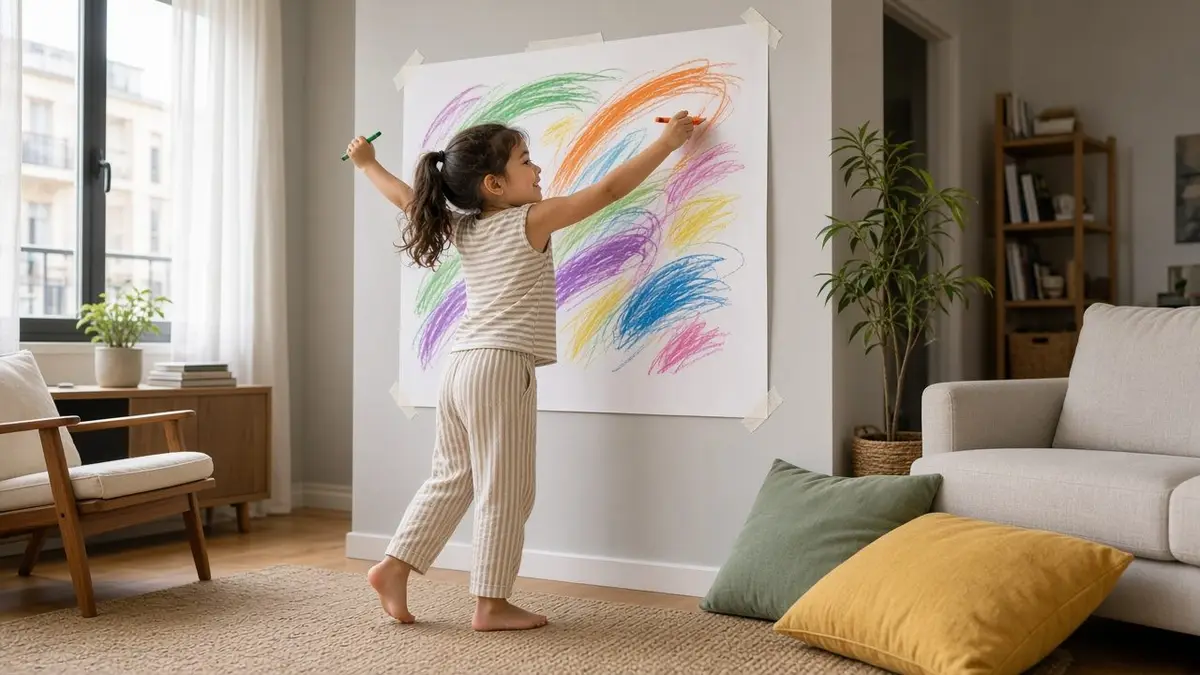
The most profound developmental gains do not require distant rooms or complicated gadgets; they flourish within intentional, warm domestic routines.
Everyday moments at home, seen through neurodevelopment, with ideas you can try today.
01
The most profound developmental gains do not require distant rooms or complicated gadgets; they flourish within intentional, warm domestic routines.
02
Before asking for sustained visual or auditory attention, the nervous system must anchor postural stability and vestibular equilibrium.
03
Human communication blossoms long before the first articulated syllable; discovering nonverbal milestones turns daily misunderstandings into joyful connection.
04
When mealtime turns into a daily battleground, exploring sensory processing of textures, scents, and colors restores peace to the dining table.
05
When putting on socks or buttoning a shirt turns morning routines upside down, understanding tactile processing turns friction into everyday connection.
06
Sitting still over a worksheet demands complex motor maturity; understanding how whole-body movement organizes cognition refreshes home learning.
07
Boundaries are not punitive walls but emotional guardrails; learn how to structure family expectations through clear predictability and calm connection.
08
Learning to distinguish intentional behavioral testing from neurological overload allows caregivers to respond with safety and grounded co-regulation.
09
Toilet learning is not an aggressive training regimen of charts and treats; it is a profound process of interoceptive maturation and bodily autonomy.
We will let you know every time we publish: everyday life and scientific research, explained clearly. Unsubscribe anytime.
Use it on mobile, PC or tablet: discover your child’s developmental stage with the Skills and Competencies Profile and receive personalized daily activities.