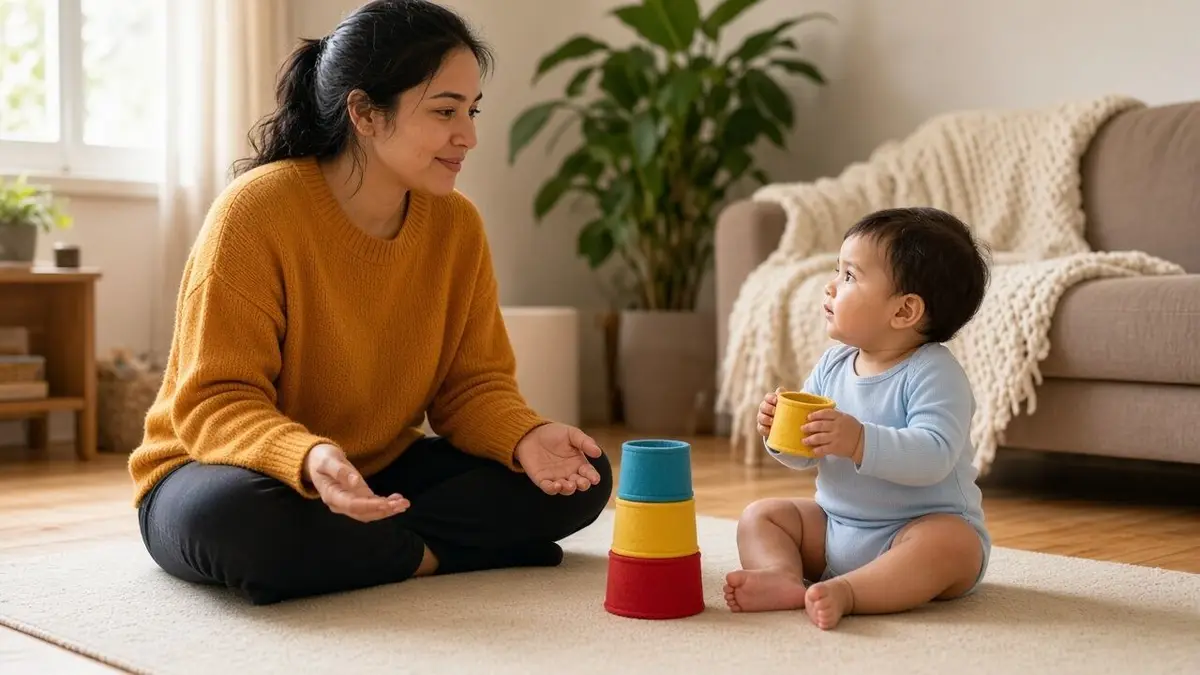
Home neuroplasticity: why 15 minutes a day in the kitchen or living room reshapes the brain
The most profound developmental gains do not require distant rooms or complicated gadgets; they flourish within intentional, warm domestic routines.

Families often assume that helping a child with neurodevelopmental variations demands countless weekly outside visits, costly specialized equipment, and repetitive drills detached from real life. In this exhausting cycle of appointments and traffic, parents often feel overwhelmed and stripped of their primary identity: being the most loving, significant foundation in their child’s world. Yet modern neuroscience proves that the most powerful environment to rewire developing brains is not a distant office: it is your own family home.
The neurodevelopmental perspective
Neuroplasticity is the remarkable capacity of the nervous system to form, strengthen, and reorganize synaptic pathways in direct response to life experience. However, the brain learns selectively: it requires three biological conditions: high frequency of repetition, deep emotional relevance, and contextual safety. An isolated hour in an unfamiliar room cannot match the hundreds of natural micro-interactions occurring during cooking, bathing, setting plates, or putting on shoes. When an emotionally attuned caregiver interacts with warmth and psychoeducational purpose, oxytocin and dopamine are released—the essential biochemical keys that lock new neural networks into memory.
Practical steps to try at home today
Integrating directed neuroplasticity into everyday living requires no extra hours, only mindful intentionality within existing routines:
- Turn cooking routines into a sensory and cognitive workshop: Invite your child to knead dough, measure water cups, or organize utensils. These tasks develop finger grip, early quantitative awareness, bilateral coordination, and sequencing without pressure.
- Practice the 15-minute focused connection ritual: Devote fifteen uninterrupted minutes daily (phones muted and tucked away) entirely to your child’s interest, following their play lead and warmly narrating discoveries without testing.
- Use household transitions as anchors of autonomy: Keep consistent morning and evening sequences supported by simple visual cues. Routine predictability frees cognitive resources and cements lifelong habits in procedural memory.
The next step: meet your child at their developmental stage with TAEO | EdTech
Guiding families to make the home a launchpad for growth is the core mission of Directed Neuroplasticity, the scientific pillar guiding our entire educational model. When caregivers understand which milestone to support today, the simplest domestic routine unlocks transformative growth.
At the TAEO Psychoeducational Organization, sixteen years of multidisciplinary expertise inspire our digital platform, TAEO | EdTech. Through the Skills and Competencies Profile, you clarify your child’s precise developmental stage and receive step-by-step guided activities to nurture their potential from the kitchen, bathroom, and living room.
Ahead of our official launch in December 2026, we are offering priority invitations for a free trial of TAEO | EdTech. Enter your email in the form below to join early access and transform your family’s daily moments into joyful learning opportunities.