Getting dressed in the morning: why it's so hard and how sensory integration helps
When putting on socks or buttoning a shirt turns morning routines upside down, understanding tactile processing turns friction into everyday connection.
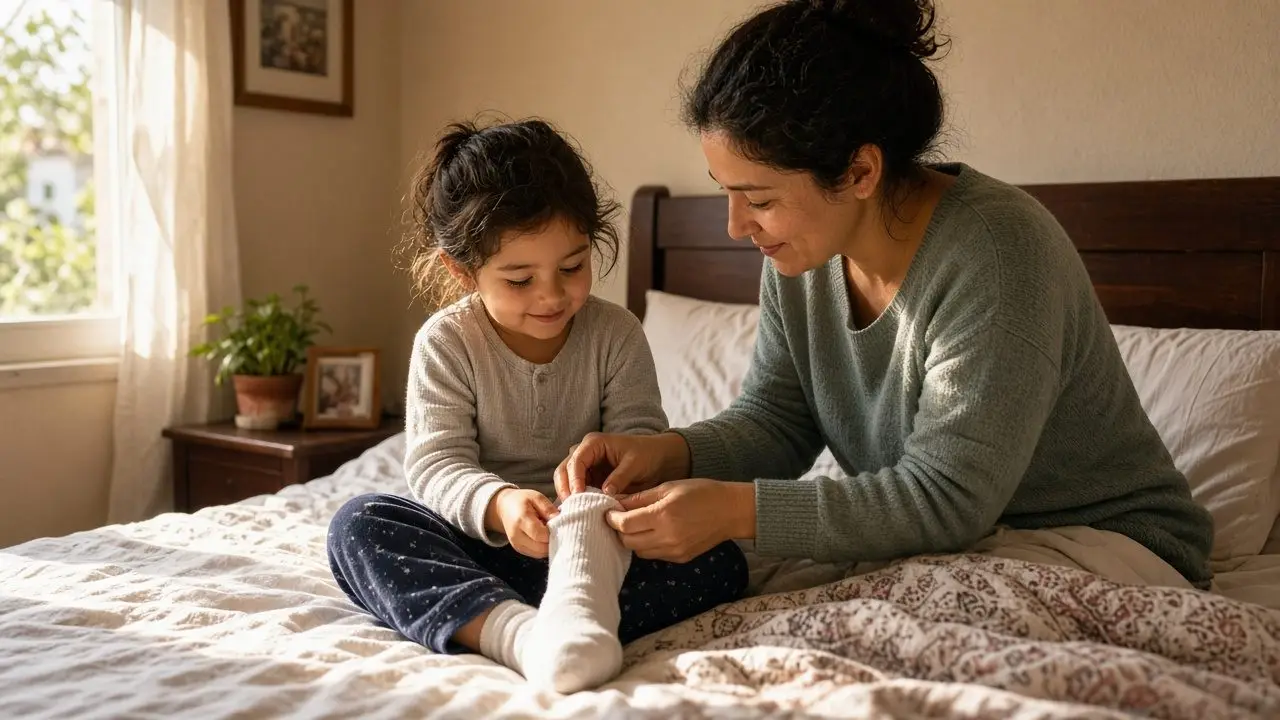
It is seven in the morning and time is running short. Clean clothes are neatly folded by the bed, yet the moment socks touch bare skin, resistance begins. Your son or daughter pulls away, kicks their feet, reacts to seams, and buttoning a shirt sparks an overwhelming emotional reaction. For parents, the natural reaction is to wonder if this is defiance. Yet behind this hesitation lies no stubbornness: an overwhelmed nervous system is signaling sensory overload before stepping out the front door.
The neurodevelopmental perspective
Dressing appears effortless to adults, but demands an intricate neurological coordination. Tactile registration, proprioceptive feedback, and motor planning must fire in harmony. For many autistic children (ASD) or children navigating neurodevelopmental variations, a raised seam, elastic pressure around ankles, or stiff fabric cannot be filtered out. The brain registers them as alarms or genuine physical discomfort. Demanding speed before regulating this threshold inevitably triggers a defensive biological response.
Practical steps to try at home today
Transforming this morning friction requires no specialized equipment. You can start with three simple adjustments tomorrow:
- Firm proprioceptive input before dressing: Offer steady, downward compression along calves and feet prior to putting on socks or shoes. Deep pressure calms superficial tactile defensiveness and grounds body awareness.
- Present clear, limited choices: The evening before, offer two comfortable, pre-tested outfits free of irritating tags, allowing your child to experience autonomy and predictability.
- Break the routine into incremental milestones: Rather than asking for full independence at once, scaffold one step at a time. Pulling up pants after both feet are placed builds confidence without cognitive overload.
The next step: meet your child at their developmental stage with TAEO | EdTech
Morning challenges are not dead ends: they belong to Sensory Processing and Autonomy and Independence, two of the eight fundamental areas of neurodevelopment. When families identify their child’s actual developmental level, frustration transforms into supportive guidance.
At the TAEO Psychoeducational Organization, we translated sixteen years of hands-on psychoeducational practice into our platform, TAEO | EdTech. Through the Skills and Competencies Profile, you discover consolidated milestones and emerging abilities, receiving short, personalized activities designed for everyday home life.
In celebration of our official launch in December 2026, we are offering priority passes for a free trial of TAEO | EdTech. Enter your email in the form below to request your invitation and turn daily domestic routines into meaningful learning moments.